
Every year around this time, a familiar problem shows up on project calendars. A business wants new storefront graphics, outdoor signage, or a seasonal window display, and the temperature drops before installation day. Most pressure-sensitive vinyl needs a surface temperature of about 41°F to bond properly. Below that, the adhesive doesn’t grab, and the graphics are left waiting until spring.
For businesses in the Midwest, that can take a big chunk of the year off the table. Cold-weather-rated vinyl changes that, and it’s one of the materials we use most when clients need graphics up during the colder months.
Why Standard Vinyl Struggles in Cold Temperatures
Pressure-sensitive adhesives depend on warmth to flow into the surface they’re applied to. When the substrate is cold, the adhesive stiffens and only makes partial contact. The graphic may look fine on install day, then start lifting at the edges, bubbling, or peeling within a few weeks.
Cold also affects the face film. Vinyl that has been sitting in a cold truck or an unheated warehouse becomes brittle, making it harder to work around corners, frames, and textured surfaces without cracking.
That’s why most manufacturers list a minimum application temperature, and why many installers simply won’t schedule exterior work once fall weather sets in.
What Makes Drytac Polar Different
Drytac’s Polar range is a line of self-adhesive vinyl products engineered specifically for low-temperature installations. As far as we know, it’s the only adhesive vinyl on the market without an above-40°F installation limit.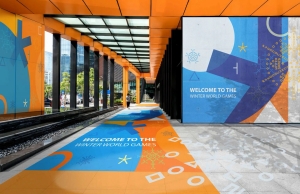
The core products in the line are Polar Grip and Polar Grip Air. Both are premium 3.2 mil white polymeric PVC films with a high-coat-weight, aggressive grey adhesive. They’re rated for application on surfaces as cold as -4°F, and once installed, they hold up in service temperatures from -49°F all the way to 230°F.
Polar Grip Air adds air egress technology, which gives trapped air a path to escape during application. The result is a smoother, bubble-free finish with less rework, which matters even more when installers are working outside in the cold.
The Polar range also includes specialty films rated for installation down to -4°F:
- Polar Blockout: for graphics that need full opacity with no show-through
- Polar Blockout UV: a blockout option built for UV-cured print
- Polar Dynamic Clear R: a clear film for window and glass applications
Where Cold-Weather Vinyl Makes the Biggest Impact
Polar films are outdoor-rated and work on windows, walls, and a range of non-standard surfaces. A few of the most common uses we see:
Holiday storefront graphics. Seasonal window displays are installed right when temperatures start dropping. Cold-weather vinyl lets retailers, restaurants, and property managers get holiday graphics up in November and December without worrying about the forecast.
Exterior signage. Building signage, directional graphics, and wall branding no longer have to wait for warmer weather. That’s especially useful for new locations, rebrands, or grand openings on a fixed date.
Unheated or semi-exposed spaces. Parking structures, loading docks, warehouses, and vestibules can stay cold well into spring. Polar films give these areas the same graphic options as climate-controlled interiors.
A Recent Project in Wisconsin
Tree Towns recently put Drytac Polar to work on an outdoor signage project in Wisconsin during the colder months. With standard vinyl, the install would have waited until spring. Because we used a cold-rated film, the signage went up on schedule instead of sitting on hold for months.
Tips for a Successful Cold-Weather Installation
Even with the right material, preparation still matters. Here’s what our installers focus on when the temperature drops:
Keep the media warm until install. Rolls should be stored at room temperature and brought out right before application. This keeps the face film flexible and prevents cracking.
Check the surface carefully. Frost, ice, and condensation can form on glass and metal even when the air seems dry. The application surface needs to be completely clear and dry before the vinyl goes down.
Pair the print with the right overlaminate. Matching the print media with a recommended overlaminate, like Drytac Interlam Pro, adds protection against weather and UV exposure. Paired properly, exterior graphics can last up to 5 to 7 years depending on conditions.
Start Your Cold-Weather Graphics Project With Tree Towns
Colder weather doesn’t have to push your graphics project into next year. Tree Towns handles design, printing, and installation in-house, so we can recommend the right cold-rated material for your surface and get it installed on your timeline.
Whether you’re planning holiday window graphics or exterior signage that can’t wait for spring, contact our team to talk through your project, or request a custom quote for pricing and lead times.